




.jpg)


New Style Chairs Transform Office Spaces in 2026

The landscape of office seating has undergone a remarkable transformation as we progress through 2026. New style chairs represent far more than aesthetic updates to traditional designs; they embody a fundamental shift in how we approach workplace wellness, productivity, and environmental responsibility. From adaptive ergonomic frameworks to sustainable manufacturing processes, today's seating solutions reflect the evolving demands of modern work environments. Understanding these innovations helps businesses make informed decisions that benefit both their workforce and their bottom line.
The Ergonomic Revolution in Modern Seating
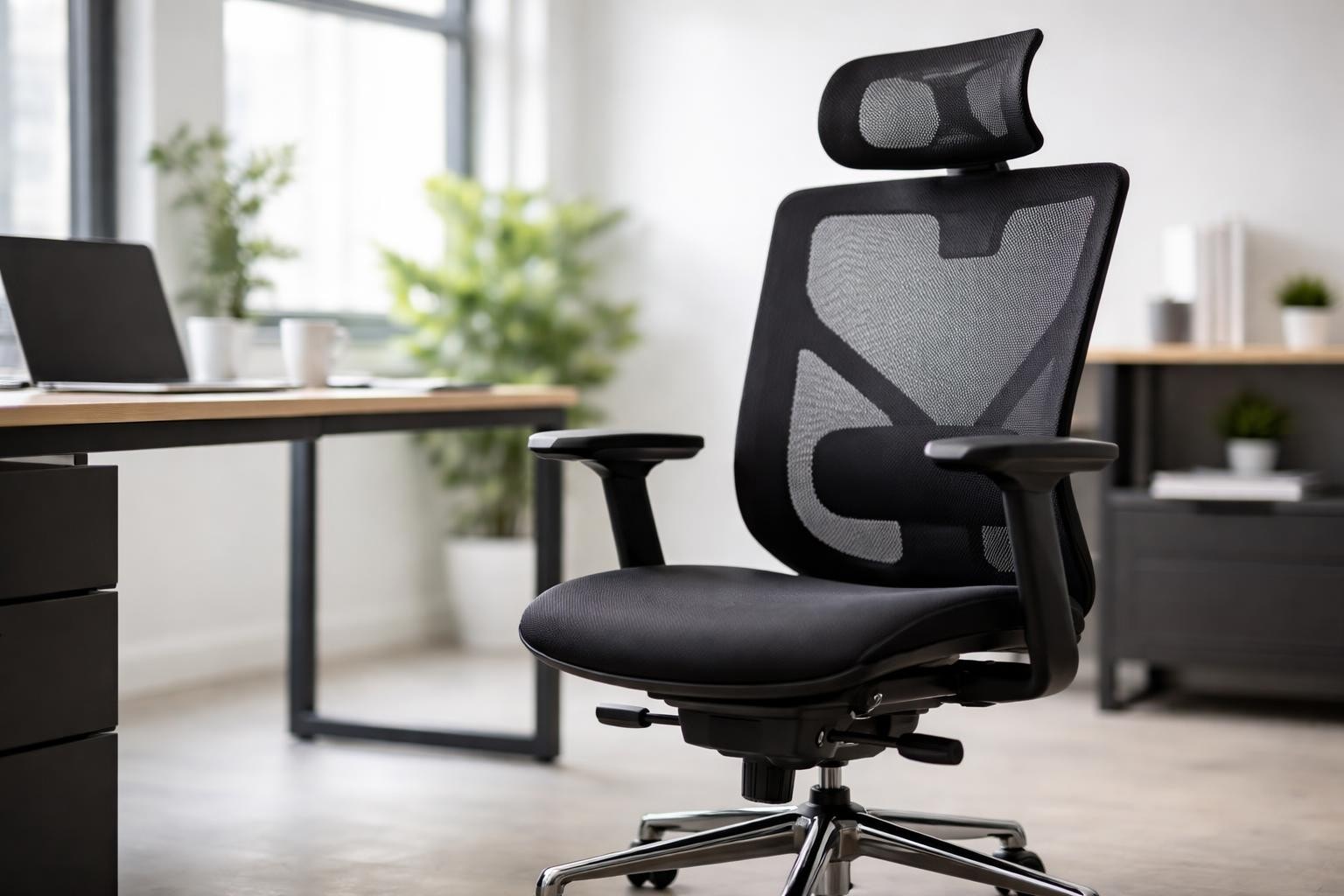
The ergonomic principles driving new style chairs in 2026 have moved beyond basic lumbar support into sophisticated, personalized comfort systems. Today's chairs incorporate adaptive technologies that respond to individual body mechanics and movement patterns throughout the workday.
Recent innovations showcase the integration of bionic spine technology that mimics natural spinal movement. These systems automatically adjust to user positioning without manual intervention, creating a seamless experience that promotes better posture throughout extended work sessions.
Key Ergonomic Features to Consider
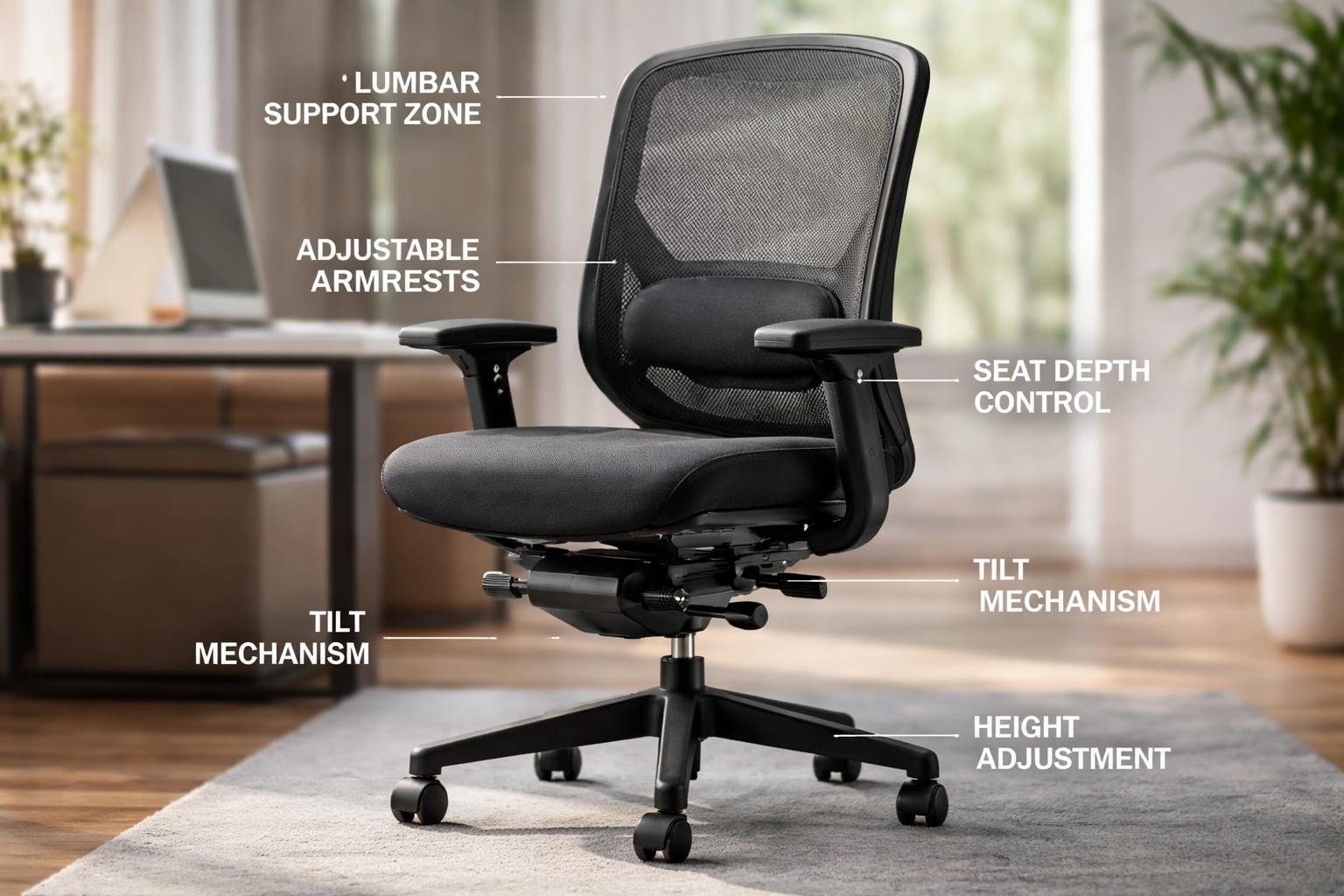
When evaluating new style chairs for your office environment, several critical features distinguish superior designs from basic offerings:
Dynamic lumbar support systems that adjust in real-time to spinal positioning
Multi-directional armrests with height, width, depth, and pivot adjustments
Seat depth customization accommodating different leg lengths and body types
Breathable materials incorporating mesh or advanced fabric technologies
Weight-sensitive recline mechanisms that calibrate to individual body mass
Pressure distribution systems preventing discomfort during prolonged sitting
The shift toward functional ergonomic office chair trends emphasizes personalized comfort over one-size-fits-all solutions. This approach recognizes that workforce diversity demands seating options capable of accommodating various body types, work styles, and physical requirements.
Self-Adjusting Mechanisms
One of the most significant developments in new style chairs involves self-adjusting mechanisms that eliminate complex manual controls. The Humanscale Freedom chair exemplifies this trend, featuring automatic recline tension calibration and synchronized armrest movement.
These intuitive systems reduce the learning curve associated with ergonomic seating, ensuring employees actually utilize available adjustments rather than leaving chairs in default configurations. The result is improved comfort adoption across diverse workforce populations.
Smart Technology Integration
The integration of smart technology represents a defining characteristic of new style chairs entering the market in 2026. These innovations extend beyond basic ergonomics into active health monitoring and environmental adaptation.
Advanced seating solutions now incorporate sensors that track sitting duration, posture quality, and movement frequency. Some models provide real-time feedback through connected applications, encouraging healthier work habits and regular position changes.
Technology Feature | Primary Benefit | Implementation Example |
Posture Monitoring | Reduces musculoskeletal strain | Pressure sensors detect slouching |
Movement Tracking | Encourages regular breaks | Alerts after prolonged stillness |
Temperature Regulation | Maintains comfort in varying conditions | Climate-adaptive fabrics |
Connectivity Integration | Syncs with wellness programs | Bluetooth health data transmission |
AI-Powered Comfort Systems
Artificial intelligence now powers some of the most sophisticated new style chairs available. These systems learn individual user preferences over time, automatically adjusting support parameters to optimize comfort and health outcomes.
AI-powered posture correction represents a significant advancement in preventive workplace health. By analyzing sitting patterns and providing gentle corrective feedback, these chairs help users develop healthier habits that extend beyond the workday.
Design Aesthetics and Material Innovation
While functionality drives many decisions around new style chairs, aesthetic considerations remain crucial for creating cohesive, professional office environments. The current design landscape balances timeless appeal with contemporary sensibilities.
Modern chair designs draw inspiration from various eras while incorporating current preferences. The resurgence of vintage-inspired designs demonstrates how classic forms can be reinterpreted with modern materials and manufacturing techniques.
Material Advances Shaping Contemporary Designs
The materials used in new style chairs reflect growing environmental consciousness and performance demands:
Recycled and recyclable components reducing environmental impact
Antimicrobial fabrics improving workplace hygiene
Advanced mesh systems providing superior breathability
Sustainable wood alternatives for frame construction
Bio-based cushioning materials replacing petroleum-derived foams
Modular components enabling easy repairs and upgrades
These material innovations serve multiple purposes, from extending chair longevity to reducing carbon footprints. Businesses increasingly recognize that sustainable purchasing decisions align with both corporate responsibility goals and long-term cost management.
Color and Finish Trends
Contemporary new style chairs embrace diverse color palettes that complement modern office design schemes. While neutral tones remain popular for their versatility, accent colors provide opportunities for brand expression and visual interest.
Textural variety has emerged as a key differentiator, with manufacturers offering everything from smooth leather alternatives to tactile woven fabrics. The introduction of abstract patterns and contemporary upholstery brings personality to seating without overwhelming professional environments.
Specialized Seating for Diverse Work Environments
Recognition that different work activities require different seating solutions has driven specialization in new style chairs. Task-specific designs optimize comfort and productivity for particular functions.
Task Chairs for Focused Work
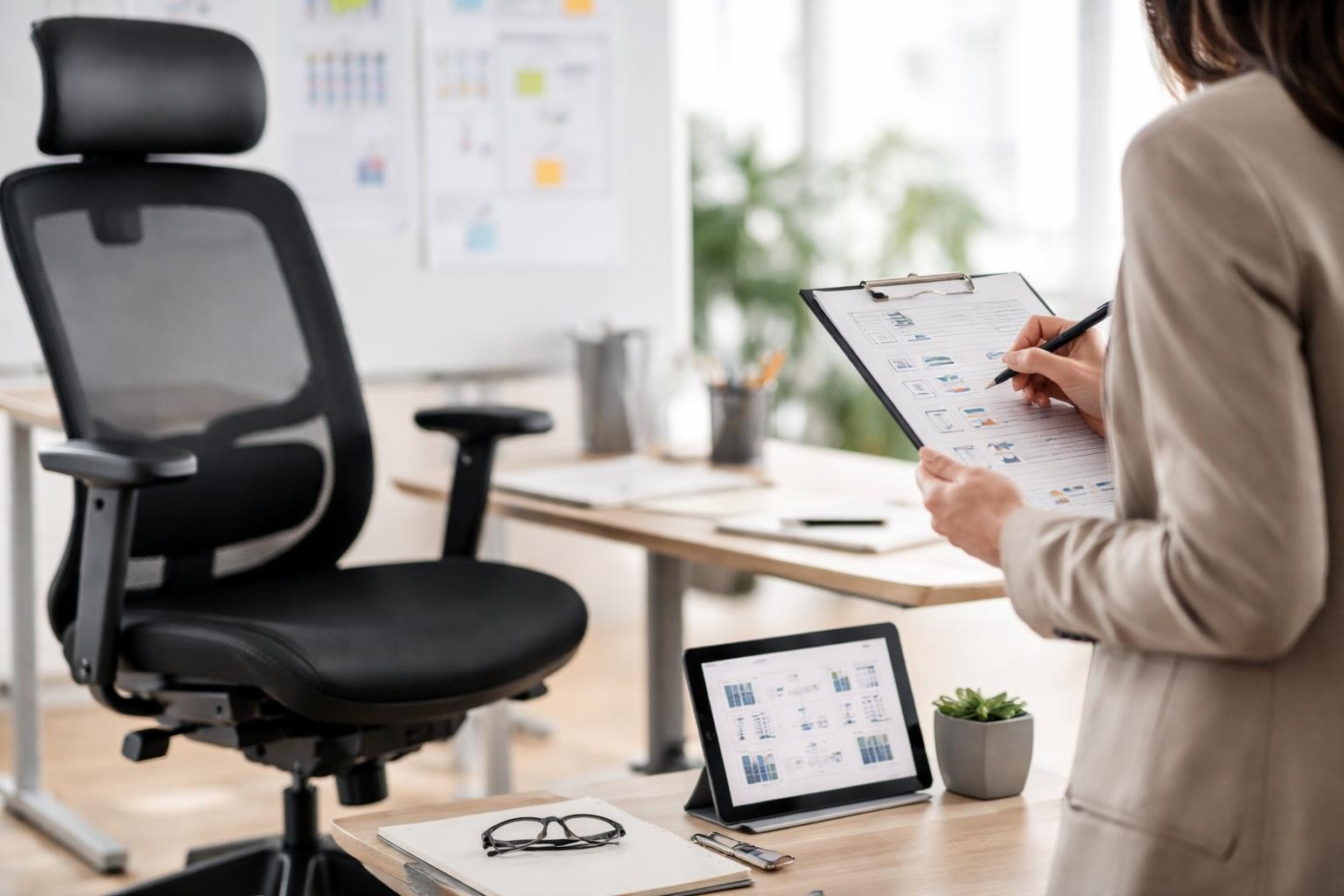
Traditional task chairs continue evolving with enhanced adjustability and refined ergonomics. These workhorses of the office environment now incorporate many features previously reserved for executive seating, democratizing access to superior comfort.
When selecting office seating solutions, consider how various departments and roles utilize their workstations. Administrative staff performing data entry have different needs than designers working with dual monitors or sales teams alternating between computer work and phone conversations.
Collaborative Space Seating
Open collaboration areas demand new style chairs that balance comfort with mobility. Lightweight designs with casters facilitate easy reconfiguration, while durable construction withstands frequent movement and varied users.
Many collaborative seating options feature simplified adjustment mechanisms that any user can quickly understand. This accessibility ensures visitors and rotating team members can achieve reasonable comfort without extensive instruction.
Conference Room Solutions
Conference rooms present unique seating challenges, requiring chairs that remain comfortable during extended meetings while maintaining professional appearance. New style chairs designed for these spaces often emphasize:
Stackability or nesting capabilities for efficient storage
Consistent aesthetic appeal from all viewing angles
Appropriate seat height for standard conference table dimensions
Minimal adjustment requirements for diverse temporary users
Durable finishes that maintain appearance despite heavy use
The Business Case for Premium Seating
Investing in quality new style chairs represents a strategic business decision with measurable returns. While initial costs exceed basic seating options, long-term benefits justify the premium.
Productivity and Health Impacts
Research consistently demonstrates connections between seating quality and employee productivity. Comfortable workers experience fewer distractions from physical discomfort, maintaining focus on tasks rather than shifting position to alleviate pain.
Healthcare costs associated with musculoskeletal disorders represent significant expenses for many organizations. Preventive measures, including ergonomic seating, reduce these costs while improving employee wellbeing and satisfaction.
Investment Area | Short-Term Impact | Long-Term Benefit |
Premium Ergonomic Chairs | Higher initial cost | Reduced injury claims |
Adjustability Training | Time investment | Improved comfort adoption |
Regular Maintenance | Ongoing expense | Extended chair lifespan |
Periodic Updates | Planned replacement | Consistent performance standards |
Durability and Total Cost of Ownership
Quality new style chairs typically carry warranties ranging from five to twelve years, reflecting manufacturer confidence in construction durability. When calculating total cost of ownership, consider:
Purchase price amortized over expected lifespan
Maintenance requirements and associated costs
Replacement part availability and pricing
Potential productivity improvements
Healthcare cost reductions
This comprehensive analysis often reveals that mid-range and premium seating options deliver superior value compared to frequent replacement of budget alternatives. Companies like Pacific Coast Business & Home Office Furniture provide both new and remanufactured options that balance quality with budget considerations.
Selection Strategies for Business Buyers
Choosing appropriate new style chairs requires systematic evaluation of organizational needs, user populations, and budget constraints. A structured approach ensures investments align with strategic objectives.
Assessing Workforce Requirements
Begin by analyzing how employees actually work. Conduct surveys or interviews to understand pain points with current seating and preferences for improvements. Consider:
Average daily sitting duration across different roles
Primary tasks performed while seated
Workspace configurations and movement patterns
Body type diversity within your workforce
Special accommodation needs for specific employees
This information guides selection toward chairs that address actual requirements rather than theoretical features that may go unused.
Trial Programs and User Testing
Whenever possible, implement trial programs allowing employees to test new style chairs before large-scale purchases. This hands-on evaluation reveals practical considerations that specifications alone cannot communicate.
Several manufacturers and dealers offer trial periods or demo programs. Taking advantage of these opportunities reduces purchase risk and improves user satisfaction with final selections.
Balancing Standardization and Variety
While complete standardization simplifies purchasing and maintenance, offering limited variety acknowledges that different users have different needs. A tiered approach works well for many organizations:
Standard tier: High-quality task chairs for general office use Premium tier: Advanced ergonomic options for roles requiring extended sitting Specialty tier: Specific solutions for unique requirements or accommodations
This structure controls costs while providing appropriate support across the organization.
Emerging Innovations on the Horizon
The evolution of new style chairs continues accelerating as manufacturers explore emerging technologies and respond to changing work patterns. Several developments warrant attention from forward-thinking organizations.
Award-Winning Design Innovations
Industry recognition highlights particularly innovative approaches. The AndaSeat X-Air Series earning the TITAN Innovation Award demonstrates how manufacturers push boundaries with features like all-body breathability systems and adaptive ergonomic frameworks.
Similarly, the introduction of the Kaiser 4 showcases dynamic lumbar systems with expanded adjustability, reflecting ongoing commitment to ergonomic advancement.
Posture Monitoring Technology
Emerging pressure-based posture estimation systems represent the next frontier in intelligent seating. These technologies provide objective data about sitting habits, enabling targeted interventions to improve workplace health outcomes.
As these systems mature and costs decrease, integration into mainstream office seating becomes increasingly viable. Organizations focused on wellness programs may find particular value in chairs offering objective posture feedback.
Modular and Adaptable Designs
The trend toward modularity allows chairs to evolve with changing needs rather than requiring complete replacement. Interchangeable components enable:
Upholstery updates refreshing appearance without replacing frames
Technology upgrades adding smart features to existing platforms
Ergonomic modifications adjusting support characteristics
Repair flexibility replacing worn components individually
This approach aligns with sustainability objectives while providing long-term value. The Archive Chair's modular design illustrates how contemporary aesthetics and practical adaptability can coexist.
Installation and Space Planning Considerations
Successful implementation of new style chairs extends beyond product selection into thoughtful space planning and proper installation. These factors significantly impact user experience and investment returns.
Workspace Configuration Impact
Chair performance depends partly on overall workstation design. Ensure adequate clearance for:
Full recline range without contacting walls or cabinets
Armrest adjustment clearing desk edges at various heights
Caster movement on appropriate flooring surfaces
Foot placement with sufficient legroom beneath work surfaces
Businesses exploring office furniture solutions should consider how various components interact within the complete workspace ecosystem.
Professional Assembly Services
While many new style chairs arrive partially assembled, professional installation ensures proper configuration and reduces the risk of damage during setup. Services offered by providers like Pacific Coast Business & Home Office Furniture include:
Complete assembly according to manufacturer specifications
Adjustment to user preferences before handoff
Workspace configuration optimization
User training on available features
Documentation of installation for warranty purposes
These services particularly benefit organizations implementing large-scale seating updates or lacking internal facilities resources.
Maintenance and Longevity Best Practices
Maximizing the lifespan and performance of new style chairs requires ongoing attention and preventive maintenance. Establishing clear protocols protects your investment while ensuring consistent user experience.
Regular Maintenance Schedules
Implement periodic inspection and maintenance routines:
Monthly: Visual inspection for damage, testing adjustment mechanisms
Quarterly: Tightening loose fasteners, cleaning upholstery and components
Annually: Professional inspection, replacement of worn parts
As needed: Addressing user-reported issues promptly
Proactive maintenance prevents minor issues from escalating into costly repairs or premature replacement needs.
User Education and Support
Even the most sophisticated new style chairs require user understanding to deliver their full potential. Develop comprehensive onboarding that covers:
Adjustment procedures for all available controls
Proper positioning relative to work surfaces
Maintenance responsibilities for individual users
Reporting procedures for damage or malfunction
Ergonomic best practices complementing chair features
Consider creating quick-reference guides or video tutorials accessible to employees when questions arise.
Remanufactured and Sustainable Options
Environmental responsibility and budget consciousness drive growing interest in remanufactured new style chairs. These options deliver quality seating while reducing environmental impact and acquisition costs.
Benefits of Remanufactured Seating
Professional remanufacturing transforms used chairs into like-new condition through:
Frame inspection and repair addressing structural wear
Mechanism replacement with new components
Complete reupholstery in current fabric selections
Finishing touches restoring appearance standards
Quality testing ensuring performance specifications
Organizations exploring pre-owned office furniture discover that remanufactured options often prove indistinguishable from new products while offering significant savings.
Environmental Impact Reduction
Choosing remanufactured new style chairs contributes to circular economy principles by:
Diverting materials from landfills
Reducing demand for virgin resources
Minimizing manufacturing energy consumption
Extending product lifecycles
Supporting sustainable business practices
These environmental benefits align with corporate sustainability goals while delivering practical furniture solutions.
The transformation of office seating in 2026 reflects broader shifts in workplace priorities, technological capabilities, and environmental consciousness. New style chairs now deliver sophisticated ergonomic support, smart technology integration, and sustainable design in ways unimaginable just a few years ago. Whether your organization needs a complete seating refresh or targeted upgrades for specific departments, Pacific Coast Business & Home Office Furniture provides expert guidance and comprehensive solutions including new and remanufactured options, professional installation services, and ongoing support across California, Nevada, Arizona, Oregon, and Washington, with nationwide capabilities for larger projects.
Comments