




.jpg)


The Ultimate Guide to Choosing a Posture Chair in 2026

Did you know that by 2026, over 60% of adults will spend more than nine hours seated each day? As remote and hybrid work become the norm, the need for effective ergonomic solutions is more urgent than ever. Choosing the right posture chair can transform not only your comfort but also your long-term health and productivity. In this guide, you will discover what makes a posture chair essential, explore their benefits, learn about different types, and get expert advice on selecting the perfect fit for your lifestyle. Ready to improve your well-being? Read on and take the first step toward better posture.
Understanding Posture Chairs: What Makes a Chair "Posture-Friendly"?
The modern workplace, whether at home or in the office, demands more from our bodies than ever before. As remote work and digital lifestyles continue to grow, the need for a supportive posture chair is greater than ever. For older adults, studies show sedentary time now exceeds 11 hours per day, highlighting why the right seating matters.
Defining a Posture Chair
A posture chair is purpose-built to support the body’s natural alignment during prolonged sitting. Unlike standard chairs, which often lack targeted support, a posture chair incorporates ergonomic principles to reduce strain on the spine and muscles.
Ergonomic design focuses on optimizing the interaction between people and their environment. In a posture chair, this means features like adjustable seat height, lumbar support, and flexible armrests. The evolution of the posture chair has been shaped by research into how people sit, work, and move. By 2026, innovations include adaptive materials and digital feedback systems that remind users to shift position or correct slouching.
With adults over 65 now spending more than 11 hours seated daily, the importance of a posture chair with proper lumbar support and seat depth cannot be overstated. These chairs are designed to adapt to a range of body types and sitting habits, making them an essential tool for anyone looking to maintain a healthy lifestyle while working or relaxing.
The posture chair is not just a piece of furniture; it is a proactive investment in comfort and health, evolving in step with the demands of contemporary life.
The Science Behind Good Posture
Good posture is more than just sitting up straight. It involves maintaining the natural curves of the spine, keeping the shoulders relaxed, and ensuring even weight distribution. A posture chair is designed to make this easier, supporting the body’s structure and reducing the risk of discomfort.
Musculoskeletal health is directly influenced by how we sit. Poor posture can lead to chronic back pain, fatigue, and even decreased productivity. Studies from health organizations highlight the connection between prolonged poor posture and conditions such as herniated discs, tension headaches, and joint stiffness.
Many people experience pain because their chairs do not support natural alignment. A quality posture chair addresses this by providing targeted support and adjustability. With the correct setup, users can experience increased focus, more energy, and fewer aches throughout the day. Investing in a posture chair is a science-backed strategy for long-term well-being.
Key Components of a Posture Chair
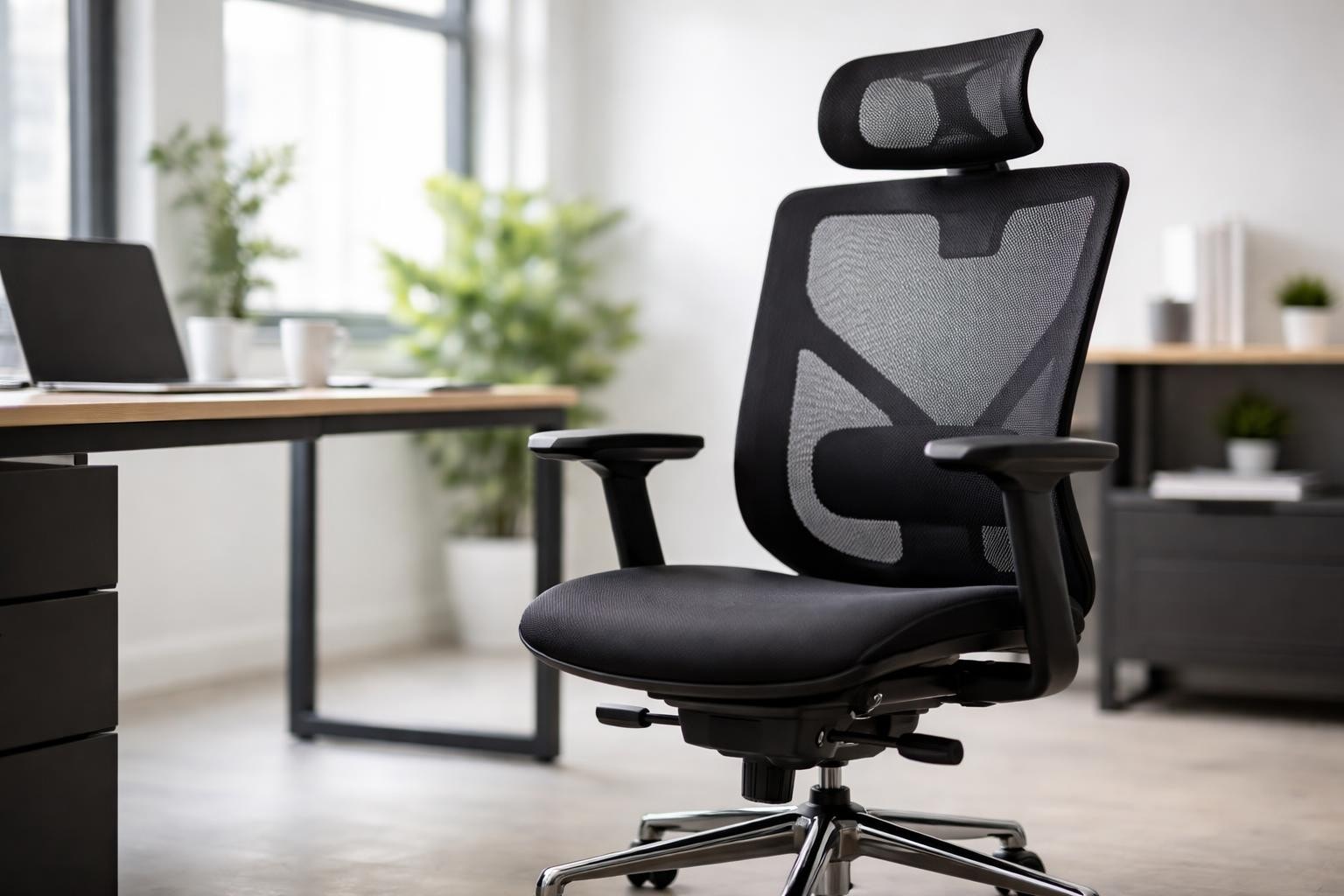
The effectiveness of a posture chair depends on its features. Adjustable seat height and depth allow users to find the optimal position for their legs and lower back. Lumbar and thoracic support help maintain the spine’s natural curve, while armrest and headrest adjustability provide personalized comfort.
Breathable, supportive materials such as mesh and high-density foam improve comfort and reduce heat buildup. A stable base and swivel functionality make movement easy and safe, particularly in active workspaces.
When evaluating posture chairs, look for models that offer multi-point adjustability and durable construction. For a detailed breakdown of essential ergonomic features, you can refer to this Ergonomic Chair Design Principles guide. Real-life examples include chairs with memory foam cushions, mesh backrests, and synchronized tilt mechanisms, all designed to enhance comfort and encourage healthy posture.
A well-chosen posture chair combines these components to deliver support, flexibility, and lasting value, making it a cornerstone of ergonomic health in 2026.
The Benefits of Using a Posture Chair in 2026
Choosing a posture chair in 2026 is more than a matter of comfort—it is a critical decision for your health, productivity, and overall well-being. Whether you work from home or spend long hours at a desk, investing in the right chair can transform your daily experience and provide tangible, lasting benefits.
Health and Wellness Advantages
A posture chair is designed to support the spine’s natural curves, making it a powerful tool for preventing and alleviating discomfort. Users often report a significant reduction in back, neck, and shoulder pain when switching to a posture chair. Enhanced lumbar support and adjustability help promote proper alignment, reducing stress on muscles and joints.
Studies have shown that sitting in a well-designed chair can improve circulation and reduce the risk of sedentary-related diseases. By encouraging dynamic sitting, a posture chair helps enhance mental focus and boost productivity throughout the day. In fact, a review of chair interventions found that ergonomic seating can lower musculoskeletal symptoms and support long-term well-being.
Proper use of a posture chair can also help prevent chronic musculoskeletal disorders, setting the foundation for healthier habits that last a lifetime.
Lifestyle and Work Benefits
For remote workers and those in hybrid roles, comfort is essential. A posture chair provides the support needed to stay energized and focused during long work sessions. This is especially important as the average sedentary time among older adults now exceeds 11 hours per day, according to the British Heart Foundation.
A well-chosen posture chair benefits not just professionals but also students, seniors, and anyone who spends extended periods seated. For aging populations, improved seat ergonomics can make daily activities more comfortable and reduce the risk of fatigue.
By integrating a posture chair into your workspace, you may notice higher energy levels and a more positive outlook throughout the day, regardless of your age or occupation.
Economic and Longevity Benefits
Investing in a posture chair delivers measurable economic returns. By minimizing posture-related health issues, individuals and organizations can lower healthcare costs and reduce time lost to illness or injury.
Quality posture chairs are built to last longer than standard office seating, providing better value over time. For businesses, this often translates to improved employee satisfaction and reduced absenteeism, as staff experience fewer aches, pains, and distractions.
The durability and adjustability of a posture chair mean it can adapt to changing needs, extending its useful life and supporting well-being for years to come.
Types of Posture Chairs: Which One Is Right for You?
Choosing the right posture chair in 2026 can feel overwhelming with so many options available. Whether you work remotely, spend hours gaming, or need extra support as you age, selecting the right type is crucial for comfort and health.
Task Chairs vs. Executive Chairs
Task chairs are a staple for home and corporate offices. They offer adjustable features, breathable mesh backs, and compact frames, making them ideal for long hours of desk work. Executive chairs, by contrast, provide a more luxurious experience with extra padding, high backs, and advanced adjustability.
While both types can qualify as a posture chair, task chairs excel in flexibility and suit tight spaces, whereas executive chairs offer superior comfort for extended sitting. Consider your workspace, the chair’s footprint, and your daily routine before making a choice.
Chair Type | Key Features | Best For |
Task Chair | Adjustable, compact | Office, home office |
Executive Chair | Plush, high back, durable | Managers, executives |
Kneeling and Saddle Chairs
For those seeking an active sitting experience, kneeling and saddle chairs are innovative alternatives. These options encourage an open hip angle and help align the spine naturally, reducing pressure on the lower back.
Kneeling chairs tilt the pelvis forward, promoting upright posture, while saddle chairs mimic the shape of a horse saddle, aiding core engagement. These options suit users who want to alternate between traditional and dynamic seating. However, some may find them uncomfortable for all-day use.
Ergonomic Gaming and Specialist Chairs
Ergonomic gaming and specialist chairs are engineered for users who sit for extended periods—think gamers, programmers, and creative professionals. These posture chair models often feature pronounced lumbar support, adjustable armrests, and high-density foam for comfort during long sessions.
Specialist chairs sometimes include unique adjustments or modular parts to cater to specific needs. While gaming chairs are visually bold, the best models focus on ergonomics over aesthetics. Explore Office seating solutions overview for a breakdown of popular ergonomic seating choices.
Recliners and Riser Recliners
Recliners and riser recliners are tailored for relaxation and support, particularly for seniors or those with mobility challenges. Modern posture chair recliners integrate lumbar and thoracic support, allowing users to recline without sacrificing spinal alignment.
Riser recliners add motorized lift functions, making it easier to stand up or sit down safely. These chairs are perfect for living rooms or recovery areas but may not suit fast-paced work environments.
Smart and Tech-Enabled Posture Chairs (2026 Innovations)
2026 brings a new wave of posture chair innovations. Smart chairs now feature sensors that monitor your sitting habits, provide real-time feedback, and connect to health apps. Some models offer posture-correction alerts or track your movement throughout the day.
Advanced designs blend traditional ergonomic features with cutting-edge technology, appealing to tech-savvy users who want data-driven comfort. Look for chairs with upgradable modules or app integration for future-proofing your investment.
Matching Chair Types to User Needs
Selecting the right posture chair depends on your age, health, and daily activities. Remote workers may benefit from a versatile task chair, while seniors often need a supportive recliner. Students might prefer active seating like kneeling chairs for focus, and gamers require specialized ergonomic models.
By understanding the strengths of each posture chair type, you can make an informed choice tailored to your unique needs and lifestyle.
Essential Features to Look for When Choosing a Posture Chair
Selecting the right posture chair in 2026 means looking beyond appearances. The best options offer a blend of thoughtful design, ergonomic support, and adaptability to your unique needs. Understanding the features that set a posture chair apart ensures you invest in comfort, health, and long-term value.
Adjustability and Customization
A posture chair must prioritize adjustability. Look for multi-point adjustments, including seat height, armrest width and height, lumbar depth, recline tension, and tilt angle. These adjustments help the posture chair accommodate different body types and working preferences.
Common adjustability features include:
Seat height adjustment for proper leg positioning
Armrest customization for shoulder support
Lumbar and backrest tilt to align the spine
Adjustable seat depth for thigh comfort
The more customizable your posture chair, the better it will fit your daily routine and posture needs.
Support and Cushioning
Proper support and quality cushioning are essential for extended comfort. A posture chair should feature ergonomic lumbar and thoracic support to maintain spinal alignment. In 2026, advanced memory foam and breathable mesh are common for both seat and backrest, providing durability and ventilation.
Consider chairs that offer targeted support zones and responsive materials. For a deeper dive into how these features work, see Ergonomic chair features explained.
Durability and Build Quality
A posture chair is an investment, so durability matters. Check for steel or reinforced polymer frames, high-density foam, and abrasion-resistant upholstery. Reliable build quality ensures your posture chair maintains its support and structure over time.
Look for certifications and multi-year warranties, which signal confidence in construction. Prioritize safety-tested models with a stable base and smooth-rolling casters for daily use.
Aesthetics and Space Considerations
Your posture chair should blend functionality with style. In home and office environments, compact models are ideal for smaller spaces, while full-size versions offer extra comfort features. Choose colors and finishes that complement your workspace, but never compromise on ergonomic essentials for looks alone.
Take measurements before purchasing to ensure your posture chair fits comfortably without crowding your area. Some models offer foldable or stackable options for added flexibility.
Sustainability and Eco-Friendly Materials
The shift toward sustainable design is clear in 2026. Many posture chair manufacturers use recycled plastics, responsibly sourced wood, and low-emission fabrics. Look for certifications like GREENGUARD or FSC to verify eco-friendly claims.
Choosing a sustainable posture chair not only benefits the environment but also often means improved air quality and fewer allergens in your workspace.
Price Range and Value
A posture chair can range from budget-friendly to premium. Assess value by weighing core ergonomic features, warranty coverage, and expected lifespan. While higher-priced models often provide more adjustments and durable materials, mid-range chairs can still deliver essential support for most users.
Set a realistic budget and prioritize features that impact daily comfort and health. Investing in a quality posture chair pays off in productivity and reduced discomfort.
Step-by-Step Guide: How to Choose the Perfect Posture Chair in 2026
Selecting the right posture chair in 2026 requires a clear, methodical approach. With so many options and innovations, making an informed choice will help you achieve better comfort, health, and productivity. Follow this step-by-step guide to ensure you find the posture chair that fits your unique needs.
Step 1: Assess Your Needs and Space
Begin your journey by evaluating your specific requirements for a posture chair. Consider your daily routine, work habits, and any existing health concerns. Are you a remote worker, a student, or someone with mobility challenges? Make a list of must-have features, such as lumbar support or adjustable armrests, to match your body type and tasks.
Measure your available workspace, including desk height and floor area. A posture chair should fit comfortably without crowding your environment. If you share your workspace, factor in the needs of other users. This initial assessment will guide your search and prevent costly mistakes later.
Step 2: Set a Budget
After identifying your needs, determine a realistic budget for your posture chair. Prices in 2026 vary widely, from affordable entry-level models to premium, tech-enabled chairs. Consider how much time you will spend seated each day and the importance of long-term health benefits.
Allocate funds based on essential features, not just aesthetics. Investing in a quality posture chair can reduce future healthcare costs and improve daily comfort. Remember to account for potential delivery or setup fees when finalizing your budget.
Step 3: Research and Shortlist Options
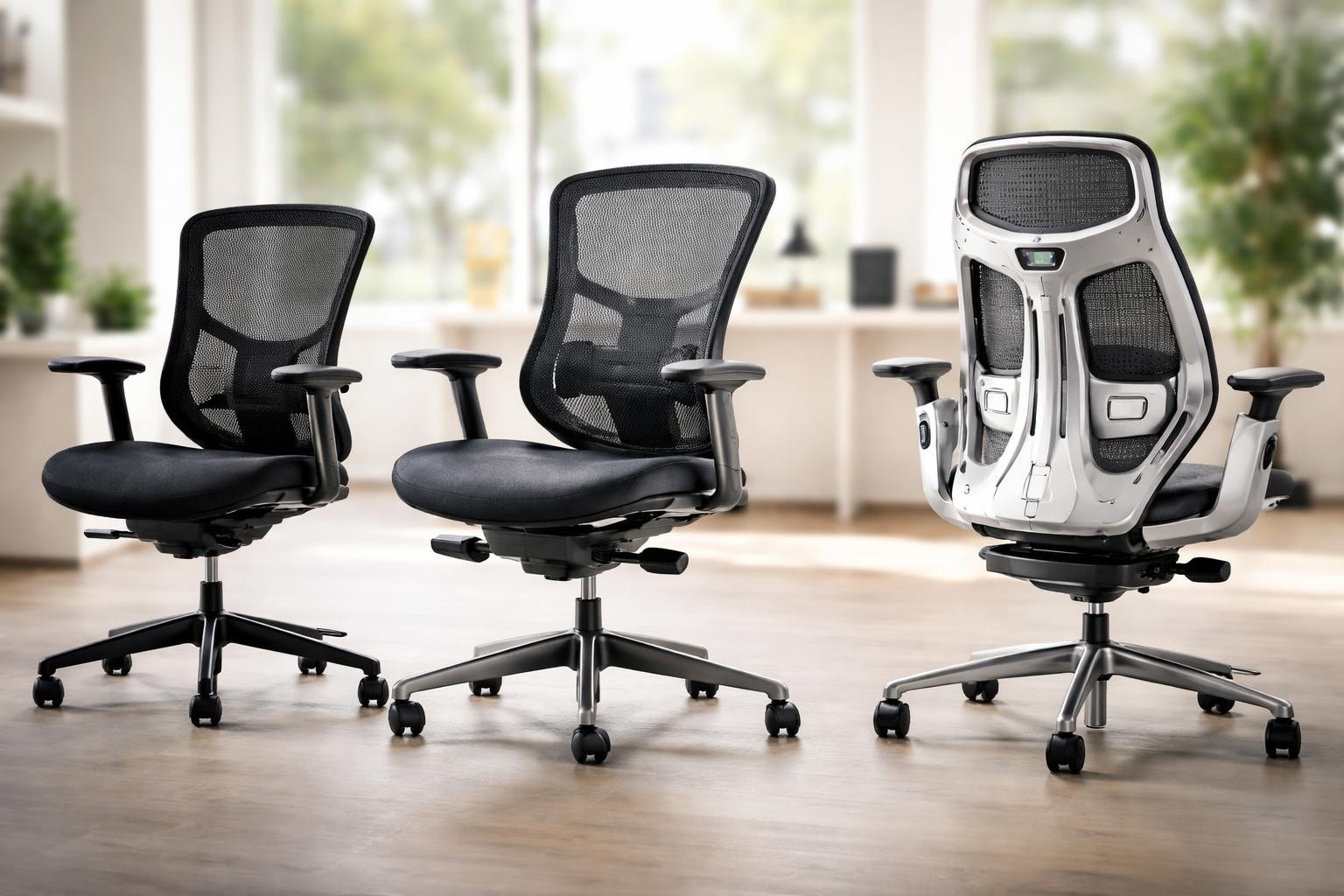
Now, dive into the market to identify reputable brands and compare posture chair models. Use expert reviews, user testimonials, and feature lists to create a shortlist. Pay close attention to specifications like adjustability, weight capacity, and warranty terms.
For a deeper dive into specific product comparisons and advice, refer to an Office chair buying guide to help evaluate your options. Create a table to compare shortlisted chairs based on price, features, and user ratings for a clear overview.
Model | Price | Key Features | User Rating |
Chair A | $350 | Adjustable lumbar, mesh back | 4.6/5 |
Chair B | $500 | Smart sensors, memory foam | 4.8/5 |
Chair C | $250 | Basic ergonomic, compact size | 4.3/5 |
Shortlisting makes the next steps more efficient and focused.
Step 4: Test Chairs In-Person or Virtually
Testing your shortlisted posture chair models is crucial. Visit showrooms when possible to experience comfort, adjustability, and fit firsthand. If in-person visits are not feasible, use virtual fitting tools or video consultations offered by many retailers in 2026.
During your trial, check whether the posture chair supports your back, hips, and arms in a natural position. Small differences in seat depth or lumbar support can impact your comfort over long hours. Take notes on your experience to compare later.
Step 5: Evaluate Adjustability and Ergonomic Features
A quality posture chair must offer multi-point adjustability to accommodate different body types and tasks. Look for features such as:
Seat height and depth adjustment
Adjustable lumbar and thoracic support
Armrest and headrest customization
Tilt and recline options
Use a checklist to ensure your chosen posture chair meets these criteria. Proper adjustability protects your spine, increases comfort, and adapts to changes in your work style over time.
Step 6: Consider Warranty, Returns, and Aftercare
Before finalizing your purchase, review the warranty and aftercare services for your posture chair. Reliable brands in 2026 offer extended warranties covering mechanical parts and upholstery. Understand the terms for returns and exchanges, especially if you are purchasing online.
Ask about maintenance requirements, such as cleaning instructions or replacement parts. A strong aftercare policy ensures your posture chair will provide lasting support and value.
Step 7: Make Your Purchase and Set Up for Success
Once you have chosen your posture chair, complete your purchase through a trusted retailer. Follow setup instructions carefully, adjusting the chair to fit your body and workspace. Incorporate posture reminders or ergonomic accessories to enhance your seating experience.
Make posture awareness a daily habit. Regularly revisit chair adjustments to match changes in your routine or health. With the right posture chair, you are investing in long-term comfort, productivity, and well-being.
Expert Tips and Mistakes to Avoid When Buying a Posture Chair
Choosing the right posture chair can be transformative for your daily comfort and long-term health. Yet, many buyers unknowingly make avoidable mistakes. Let’s explore expert insights, real-world lessons, and future-proofing strategies to help you make the most informed decision in 2026.
Insider Advice from Ergonomics Specialists
Industry experts agree: the best posture chair is one that adapts to your unique body and work habits. Prioritize chairs with multi-point adjustability, including seat height, lumbar support, and armrests. Avoid the common pitfall of choosing style over substance—looks never outweigh ergonomic benefits.
A frequent mistake is neglecting to test the full range of adjustments. Always ensure your posture chair supports your back’s natural curve and allows your feet to rest flat. Ongoing posture awareness is vital, so periodically review your sitting habits even after purchase. For a deeper understanding of what truly makes a chair ergonomic, consult this systematic review on ergonomic furniture for evidence-based recommendations.
Real-World Examples and Testimonials
Many users share that investing in a proper posture chair relieved persistent back pain and improved their concentration at work. For instance, remote workers who switched to a posture chair with adjustable lumbar support noticed fewer headaches and less fatigue after long video calls.
Conversely, some regret buying the cheapest option or prioritizing color over comfort. One student reported ongoing discomfort from a posture chair lacking adequate seat depth, which led to restless sitting and distraction. These stories highlight how crucial it is to balance aesthetics with personalized ergonomic support.
Keeping Up with 2026 Trends
The landscape of posture chair design is evolving rapidly. Modular features and upgradable components are increasingly popular, allowing your posture chair to adapt as your needs change. Smart chairs now offer sensors and app integration for real-time posture feedback, helping you maintain healthy habits.
To future-proof your investment, look for posture chair models that are compatible with new technologies and sustainable materials. Staying informed about modern office furniture trends can help you identify chairs that blend innovation with ergonomic excellence. For the latest design and tech advancements, explore modern office furniture trends and keep your workspace ahead of the curve.
Frequently Asked Questions About Posture Chairs in 2026
How often should you replace a posture chair?
A posture chair should generally be replaced every 7 to 10 years, depending on usage and build quality. High-quality models tend to last longer, especially if maintained correctly. Regular inspection for worn-out components and loss of support is crucial to ensure your posture chair continues to deliver optimal comfort and ergonomic benefits.
Are posture chairs suitable for all ages and body types?
Most posture chair designs in 2026 feature adjustable elements, making them suitable for a wide range of users. Features like seat height, armrests, and lumbar support allow customization for children, adults, and seniors. Always check the weight and height specifications to ensure the posture chair will fit your body type comfortably.
What maintenance is required for modern ergonomic chairs?
Routine care extends the lifespan of your posture chair. Wipe down surfaces, tighten screws, and check for fabric wear. For mesh or foam materials, follow manufacturer cleaning instructions. Regularly test adjustability mechanisms and lubricate moving parts as needed. This simple upkeep keeps your posture chair functioning and looking its best.
Can posture chairs help with existing back pain?
Yes, many users report relief from back pain when switching to a well-designed posture chair. Proper lumbar and thoracic support promote spinal alignment and reduce discomfort. For more on how proper seating impacts spinal health, see this Impact of Poor Posture on Health resource. However, chronic pain should be evaluated by a healthcare professional for comprehensive care.
How to differentiate between genuine and gimmick ergonomic features?
Genuine posture chair features include certified lumbar support, multi-point adjustability, and breathable materials. Look for recognized certifications and detailed product specifications. Gimmick features often lack adjustability or scientific backing. Compare models using reliable ergonomic standards to make informed decisions.
Are there affordable options that still offer good support?
Yes, many posture chair models balance affordability with essential ergonomic features. Seek out chairs with adjustable seat height, lumbar support, and durable materials. While premium chairs offer advanced technology, budget-friendly options in 2026 can still provide effective support when chosen carefully.
What’s the best way to adjust a new posture chair for first-time use?
Begin by adjusting seat height so your feet rest flat on the floor. Set the lumbar support to match your lower back’s curve and align armrests with your elbows at a 90-degree angle. Test the recline and tilt functions. Take time to fine-tune each setting, ensuring your posture chair supports you throughout the workday.
Where to find reliable user reviews and expert ratings?
Start with reputable ergonomic product review sites and industry publications. Many manufacturers offer verified user feedback on their websites. Forums and online communities dedicated to office ergonomics also provide real-world experiences. Comparing multiple sources helps you choose the best posture chair for your needs.
Comments